12. Top Tips to Get Your Job Applications, Website & Resume Noticed [Tested on 100s of real-world jobs]
Hi there,
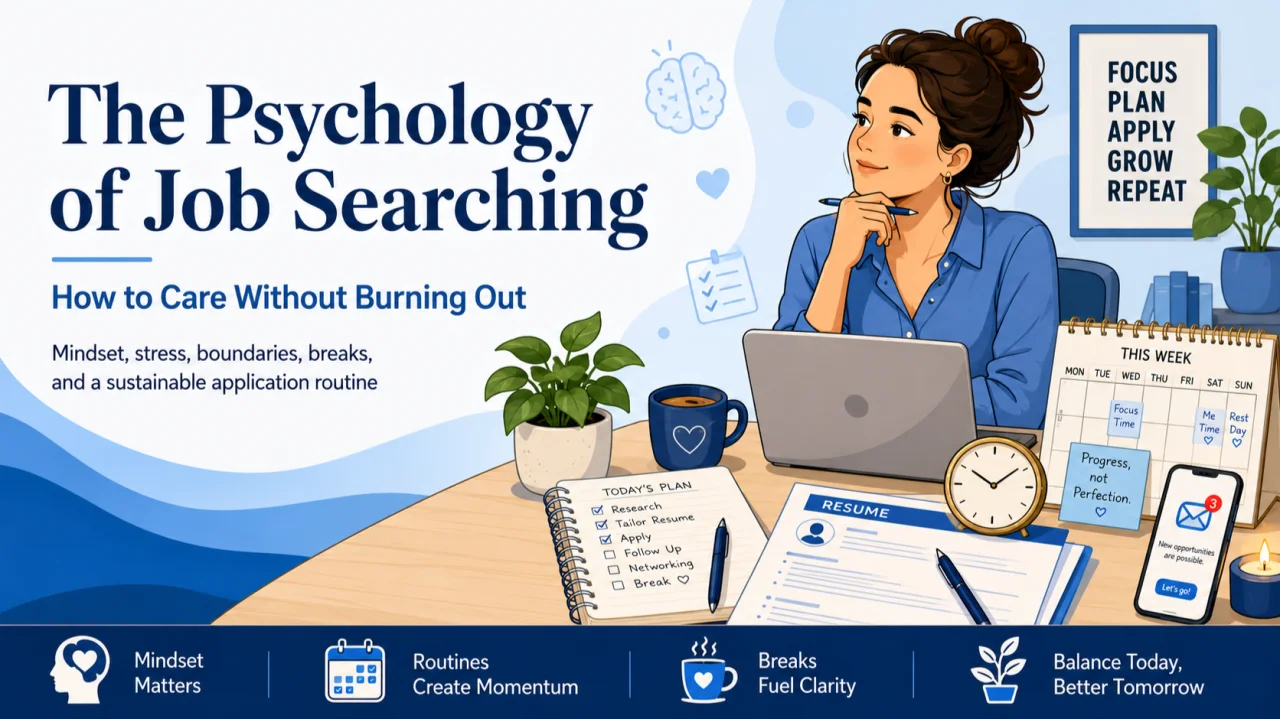
I know how daunting and demotivating applying for new jobs can be like, especially if you're not currently in a job, are self-employed or just busy with other life matters and deciding to make the jump back into job life.
I applied to 50 jobs (social experiment) (view original embed)
I'm an IT working professional who graduated from UTS IT in 2017 after taking three 6-month full-time roles are different companies while studying. I wouldn't necessarily advise taking 3 internships during studying, in retrospect I would say doing at least one internship while studying or shortly after graduating would be more than enough. Doing too many in a short time can lead to burnout or career field confusion - where Imposter Syndrome can quickly sneak in.
Imposter Syndrome | Mike Cannon-Brookes | TEDxSydney (view original embed)
Atlassian Co-founder, Mike Cannon-Brookes, worth $20.18 Billion as of May 2021 talks about Imposter Syndrome
How to Improve Your Online & Offline Presence:
- Get a custom domain name for your own portfolio website. Even if you don't have anything to showcase - you can write about your achievements, hobbies and career goals you want, make this a must. Sites like WordPress.com, SquareSpace, Wix or Google's Blogger can spin you up a site in a few minutes with a monthly hosting fee. Alternatively you could consult a Freelancer or agency to build one for you but these will be more costly than doing it yourself. Contact Siteroo.design for affordable portfolio pricing starting from $349 one-off fee + a monthly hosting fee. [email protected]
2. Setup a custom domain email address - It's free on Gmail via aliases and forwarding via ImprovMX or you can use a hosted business email service to save time and worry.
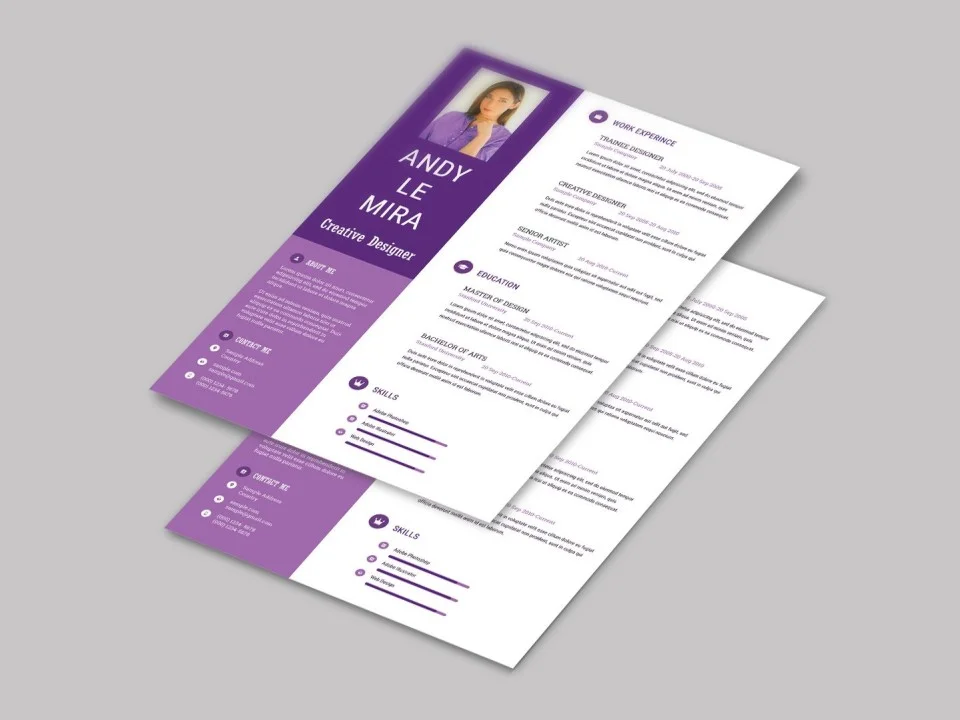
3. Re-design your resume with plenty of white space and a creative fresh design that stands out with a unique colour and shape. Be sure to tailor your resume for the role you're applying for. I know this can be time consuming but sometimes it helps to have a similar resume but just with a few keywords changed for headings to suit the role you applied for more. It's good to have 2-3 resumes ready to upload when applying for different role types. InDesign, Word and Canva are good platforms or Resume.io.
4. Make sure you also tailor your Cover Letter and have a few different versions available, ready to submit to different roles. Time is of the essence, It shouldn't be wasted on staring at word documents all day. Add the company's logo to your letter and try to add a sentence or two on why you can relate to the company tied in with your skills and the job's requirements.
10 Things To Never Say In An Interview (view original embed)
5. Network like crazy. Firstly, think about companies that first come to you mind when you think about working for one. Check their career pages for any applicable roles you can see yourself fitting into and apply for them with a tailored resume, cover letter and question responses. Reach out to your LinkedIn network via messages - ask some for referrals in a nice way, a post on your feed, related Facebook groups, your Facebook feed, attend related meetups and warm-call relevant people you know or companies you've applied too. In-person works wonders for building working relations with those around you. Personally I have gotten at least one job offer through LinkedIn, Email and at meetups. The rest were through online applications or through UTS' Co-op program.
6. Revamp your skills. If applicable, self-study and get certified in your field. If there are no certifications, then build side or pet projects to showcase on your portfolio or resume. These are perfect for getting your foot in the door and having some real-world examples to talk about in your interview process.
7. Blog your journey, skills, goals and projects. It's also very important top document your journey on your own blog or portfolio pages. Some blog solutions include WordPress, Ghost.org, LinkedIn or your own custom developed site. Start a newsletter if you have time, MailChimp offer a very quick way of doing this for free.
8. Swag. Optionally you could create a custom jacket or shirt with your own site, number and email address on it. I saw this on a guy once at a cafe I went to. It's very common for businesses to produce wearable swag.
9. Follow up with individual recruiters or company email address/phone numbers on old applications. Many companies and recruiters can't really keep track of all the (sometimes 100s or 1000s) of applicants who may apply for a role, following up will make your application stand out more as it shows a much greater interest than those who just merely applied without any follow up.
Five Red Flags In A Job Interview - Signs of a Bad Employer (view original embed)
10. Optional ads: Buy LinkedIn Premium for a month or two (there's a free month trial) and throw Google ads behind your own personal site.
11. Don't feel disheartened about job rejections or no replies. (I actually prefer no replies). Job rejections are more than likely to happen than successful ones. This can be based in a myriad of reasons. Maybe you just applied at the wrong time (the ad may have been open for awhile before you applied), maybe the company was never actually hiring right now and just wanted to build a backlog of people they can easily contact later, maybe they found someone with a more specific tailored resume & cover letter or their skills were just more experienced over more years, maybe the job role was cancelled. Humans are dynamic, there really is nothing set in stone. There's many more roles out there and not enough skilled and friendly people to actually do them, much of the reason of why hiring is so difficult.
12. Setup email notifications / newsletters from job sites to email straight into your inbox each day or week. I use Indeed, LinkedIn alerts, WeWorkRemotely and Seek.
WHY CLIMBING THE CORPORATE LADDER IS A JOKE! (view original embed)
As a laugh
Happy career hunting. :) You become what you do.
Here's a video depicting that people who work at top tier Silicon Valley companies are just every day people you would meet on the subway to work. Recruiters, bosses and CEO's are normal people too. Just think of that the next time you come across a job application and don't let anxiety get to you.
What do people do in Silicon Valley after work? (view original embed)
How My Software Engineering Coding Interview For $300K/Year Developer Job Went (view original embed)
Kind Regards,
Stefan C.
Web Developer & Cloud Engineer at https://siteroo.design
0402614261
Thanks for reading.
View the original discussion on LinkedIn ↗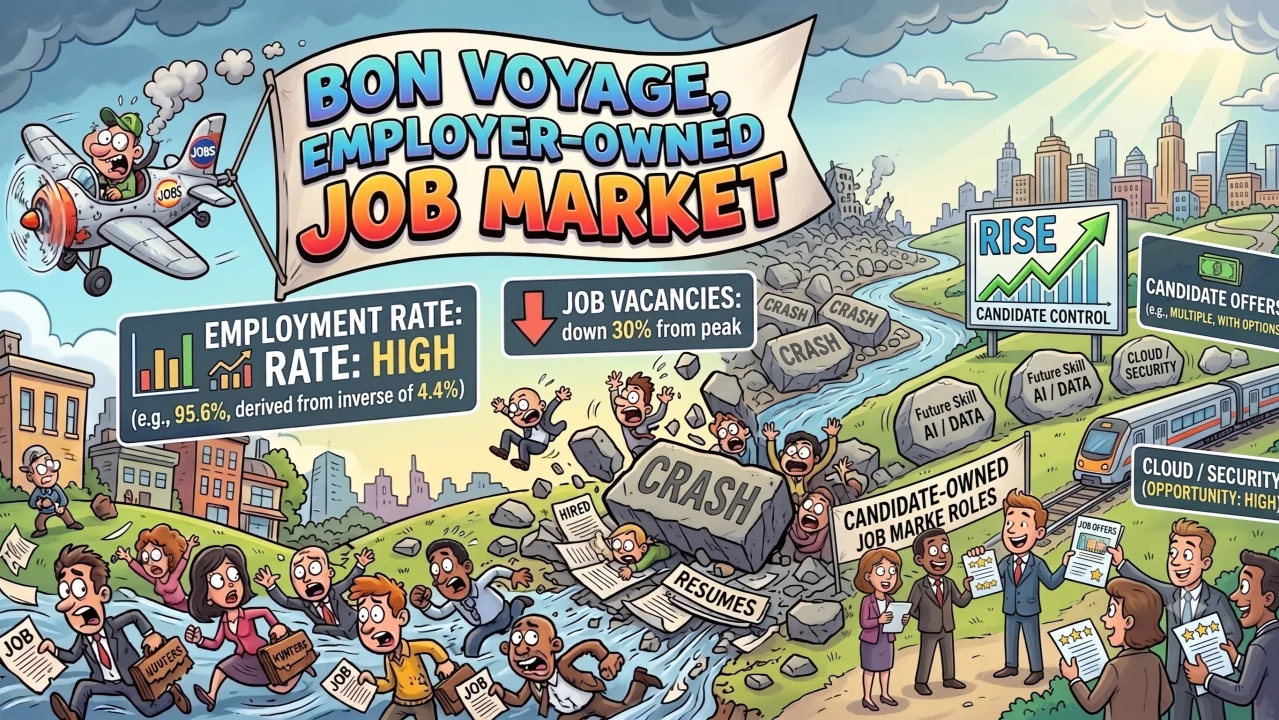

Join the conversation
Comments and reactions use GitHub. Sign in to join in, and keep the discussion thoughtful and respectful.
View discussions on GitHub ↗