In this article
Image Credit: https://www.businessinsider.com.au/google-zurich-headquarters-tour-2018-1
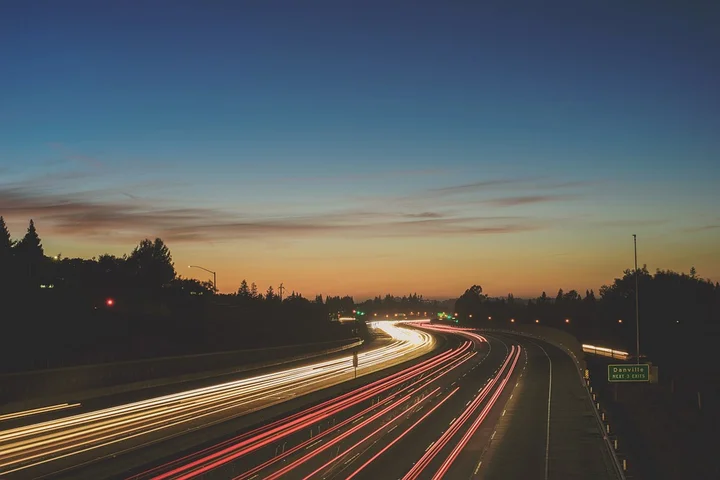
The data highway - it's basically at every corner you look online.
Before I begin, I have to say the biggest information overloading channels are email, instant chat, online news (Google Discover), TV and social media feeds. I've gotten to the point where I only use email if I really need to. I'd much prefer someone just call me rather than type out paragraph after paragraph in what could have been a 2 minute phone or video call.
Graphical intensive work seems to consume my brain so much more than any other type of work, whether it's making a gif, or editing parts of a website, it's highly demanding work, similar to Photography. In a way, we're kind of like computers, visual content always takes more to process and edit - even if it's just collating and creating a blog post such as this. (I guess that's why Developers & Designers get paid so much alongside DevOps/IT/Cloud Engineers - think around 130k mark, both in AUD and USD, in USD that's more of a starting salary, in AUD, that's more senior).
Every time we context switch to a new tab or window, that's about 5x mental energy expended compared to just staying on the same page. It's why I also like single-page web designs, there's no loading screen to disorient the user's mental load to re-process a new screen/page. (Although a few multi-page websites load super quickly; usually custom React/Vue sites).

Introduction
Hi there fellow digital worker!
Mental health, wellbeing and burnout/information overload seem to be on the minds of a lot of people right now, many are also writing about the effects of not having enough balance between screen and non-screen activities, it's the hyperconnected 2019 after all.
I've been using computers since the Windows 95/2000/Me, Mac OS 7 and PlayStation 1 days (That's about 22 years), I would say a large portion (possibly around 80%) of my life has been screen focused but I've always tried to keep some kind of off-screen balance there, whether it's family holidays, jogging or reading (which I haven't done these last few years even though I have a Kindle). Back then (~1998) I had to ask my Dad to type in a password to dial-up the internet on Netscape so I could play lego shockwave games. Thankfully a lot has improved since then, for better or worse? Mostly better.
I've seen quota and unthrottled Broadband (great for games like Runescape when I had to actively turn on and off our broadband modem every time I wanted to use it, since we only had 400MB a month quota which was quite a bit back then in the early 2000s for a household consumer), 3G and 4G be introduced, and now we're on the verge of 5G.
I feel like each time our internet speeds got faster and more reliable it shifted the world more into this non-stop movement of 24/7 content publishing and consuming (on top of also consuming traditional channels like TV and radio). It has gotten to the point where many YouTuber vloggers have started temporarily or permanently quit vlogging, which is one of the most energy draining activities you can do - planning, recording and editing video.
It also one of the reasons why I didn't want to start vlogging (Personal video blogging) years ago. I could definitely see user analytics burning out a lot of YouTubers when I was only 14. Vloggers will always expect more viewers, but sometimes that change dips.
Media companies such as YouTube and Google are constantly favouring fresher content with more engagement, this only drives YouTubers and Bloggers to spend more time focused on their screens and creating the utmost high quality content to compete with their peers. This is YouTube and Google's primary aim after all. To build sites with the richest engaging content every day users would want to increasingly spend time on and get valuable information out of while serving up the chance to display billions of ads per second. It's no wonder Google tried to build a social network (Google+) when Facebook started knocking down their advertising and user engagement doors.
Are companies like Google, Facebook and Apple playing devil's advocate and angels at the same time? On one hand their entire business models are screen based, on the other hand they've only just now started releasing screen time monitoring features.
I find the amount of options and results Google presents (without validating any authenticity of the information presented apart from SEO ranking signal factors) on any topic in the world to be highly overwhelming and anxiety inducing on a daily basis, but I can't imagine a world without Google-like search results aiding us in our daily movements to decisions. Since I was teenager, Googling "PS3 vs Xbox 360" all the way to diagnosing symptoms on the internet.
This very technical phenomenon of that there will always be tenfold more content available than what we can consume has driven humans to become technologically addicted with the whole FOMO - fear of missing out factor exacerbated tenfold too.
What is Burnout / Information Overload and What Should We Do?
Burnout is a constant feeling of mental and often physical exhaustion even before starting a day's work.

It usually wears off during the day as you become more productive and collaborative but it is ever present like this constant ghost above your head. Think of fluctuating sine waves.
[Image unavailable from the original LinkedIn article.]
Our energy levels feel a lot like this throughout the day. I find mixing lo-fidelity tasks with hi-fidelity balances my brain load throughout the day. Basically our brain waves.
If not mitigated it often induces depression and anxiety which leaves individuals feeling even more demotivated to do any work and more likely to aim for short-term dopamine wins like watching TV, social media or even resorting to romance as an escape of their dreaded work life.
Obviously this isn't healthy for anyone and needs to be improved ASAP.
The sad thing as a society while there are more mental health organisations that support these conversions, I feel like when it happens in the workplace it's often ignored and swept under the carpet as if work environments have no play in them when in fact they're often the largest driving factor of burnout and fatigue, especially in this 24/7 news cycle world of ours.
It's no longer the 20th century. We've now set this societal expectation to keep up with news and TV/social media on a per hourly basis it seems.
Meanwhile we're still expected to work 8+ hours a day as well & a 2+ hour commute mostly on our phones or laptops either binging content or completing extra work outside of actual work hours (even though I find working while commuting to be one of the most efficient parts of my day). This is obviously harming our mental health with or without even realising it.
How I handle stress at work (as a software engineer) (original embedded resource unavailable)
An Ex-Googler (The TechLead) gives his take on Workplace Stress and Management.
I wrote a great piece on whether remote work is the answer to reducing anxiety, stress and information overload here compared to our in-office battlers.
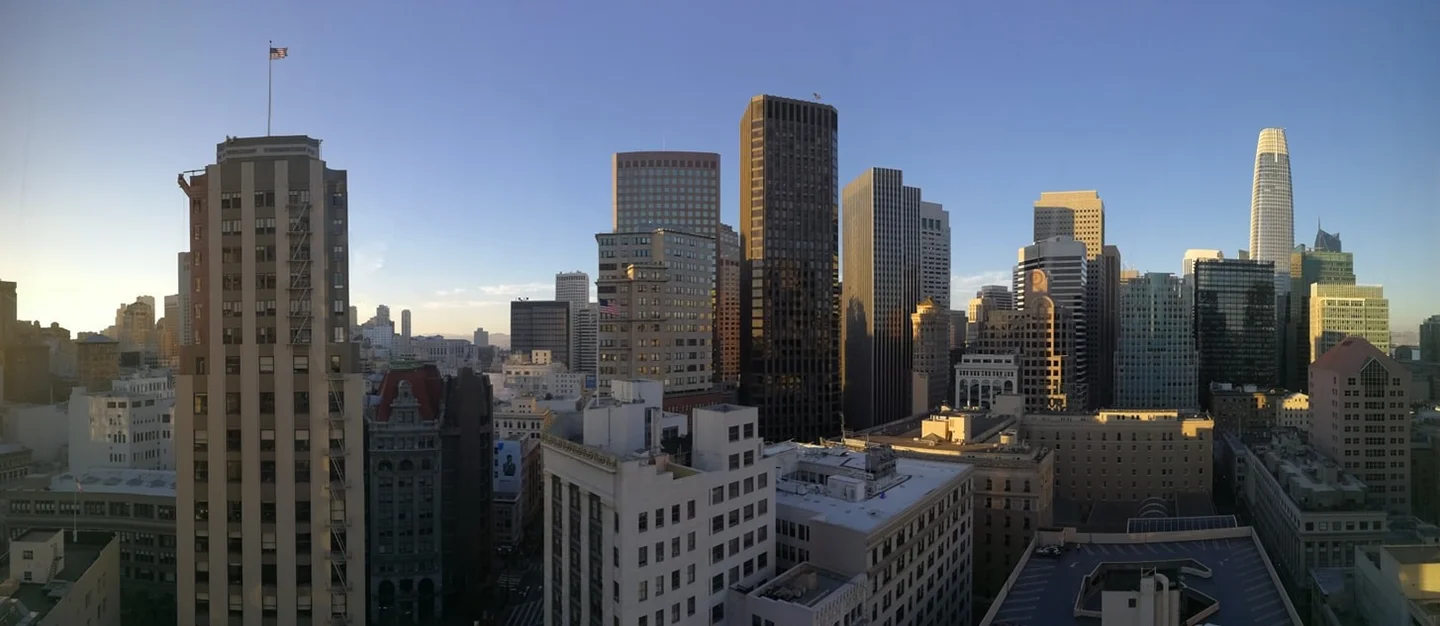
Too close for comfort? Downtown - San Francisco (Financial District)
The solutions?
Less screen time (minus Kindles because they're front-lit OLED and not focused on internet browsing, I wish more screens were OLED front-li, creates less eye strain), more face to face collaboration as screen breakers and total brain break daytime buffers like taking 5 minutes to just pause or commute and stair out the window into the distance.
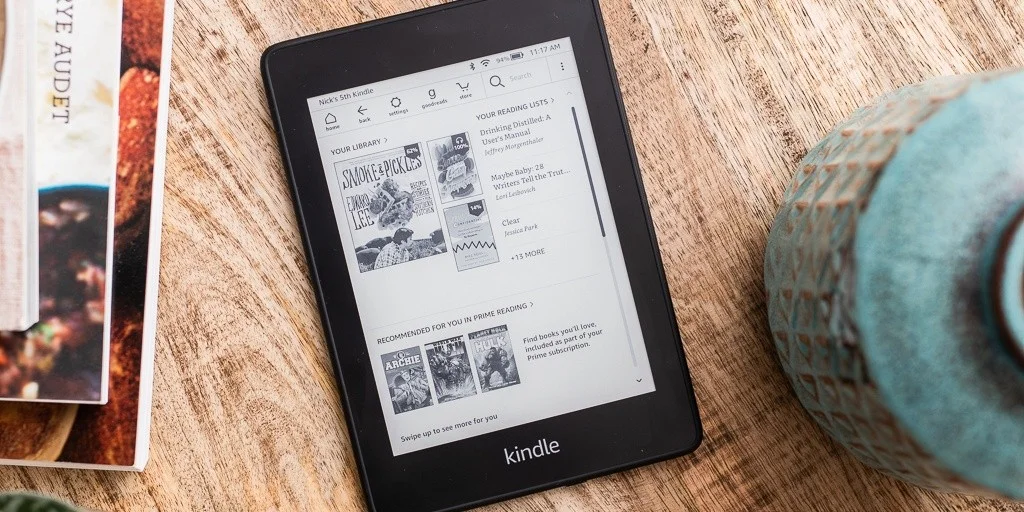
This will allow you to refocus with a much clearer mindset than if you didn't take these periodic breaks.
This will also leave you feeling vastly less mentally burned out for when it comes to resting and waking up the next day. Sport / jogging is great for your mind and body too! Social media use moderation. This is basically a war on internet screens and mental health.
In a world of 24/7 talk, music, video, blog posts, where do you draw the line?
Even planes are getting reliably fast Internet. There seems to be no escape if you need it.

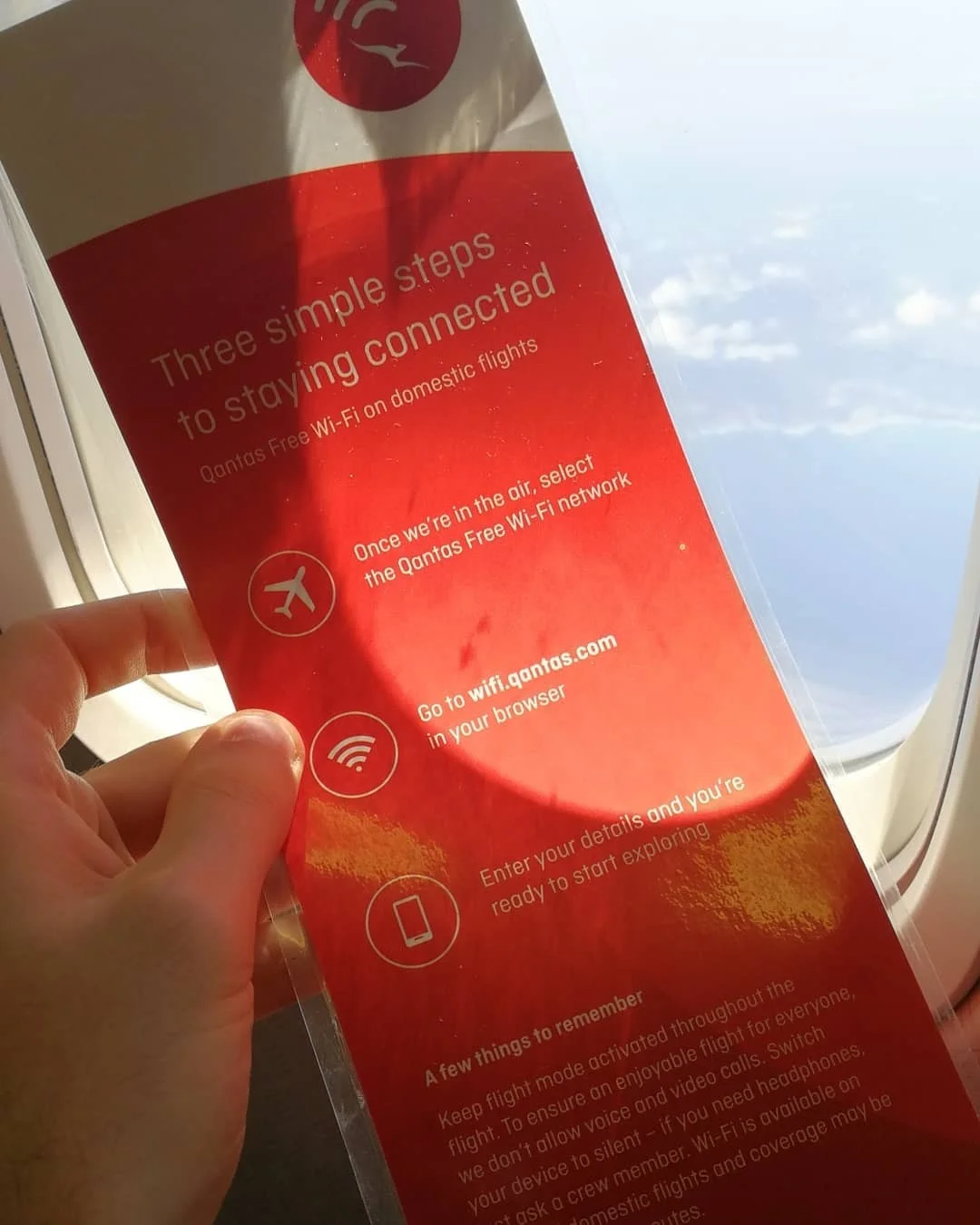
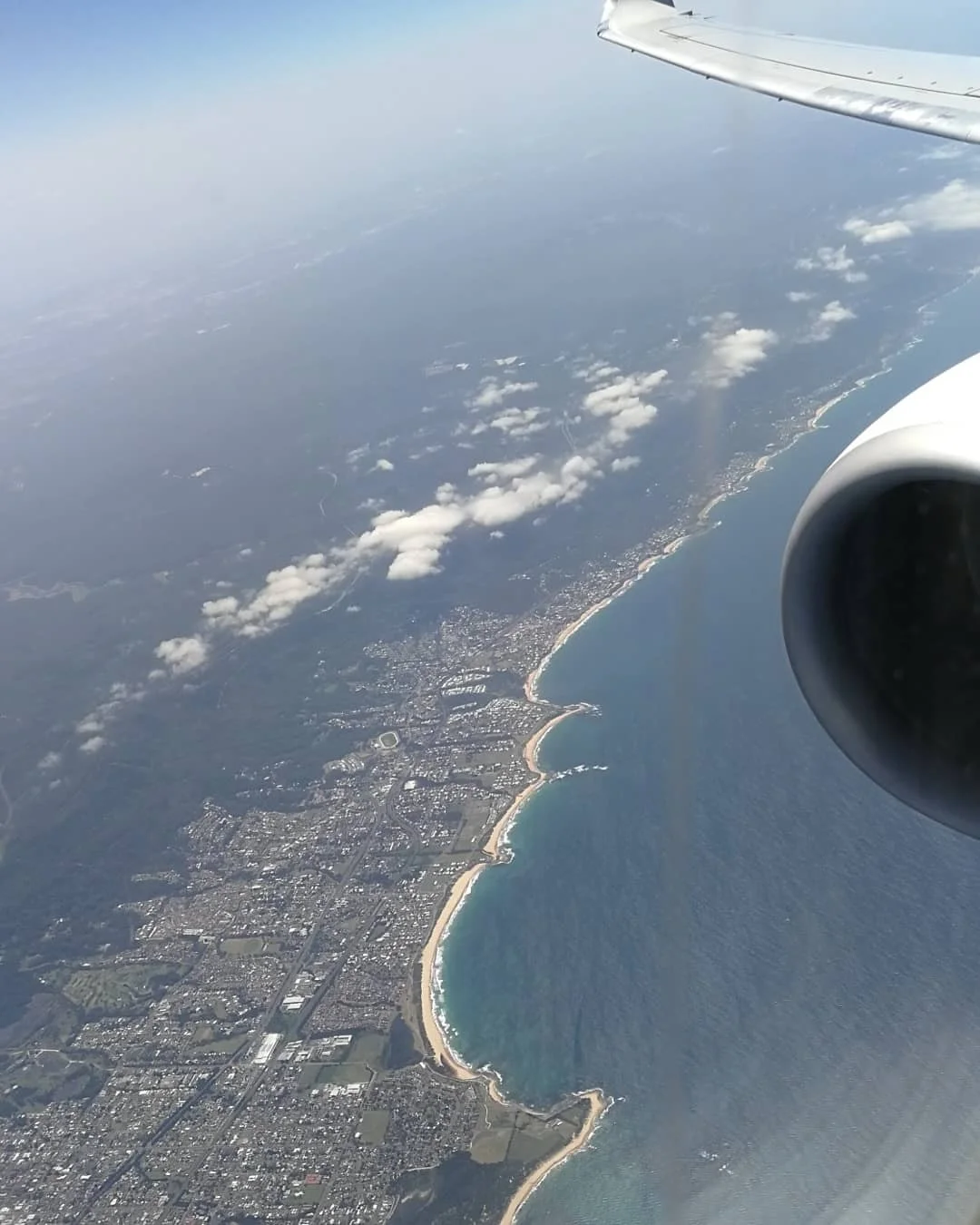
My longest escape from the internet was a 14 hour flight to San Fran on a 747 plane last year. What did I do? Just listened to pre-loaded music the whole way and did laps around the plane, gazed out the window to take photos before we were submerged in darkness for the rest of the flight.
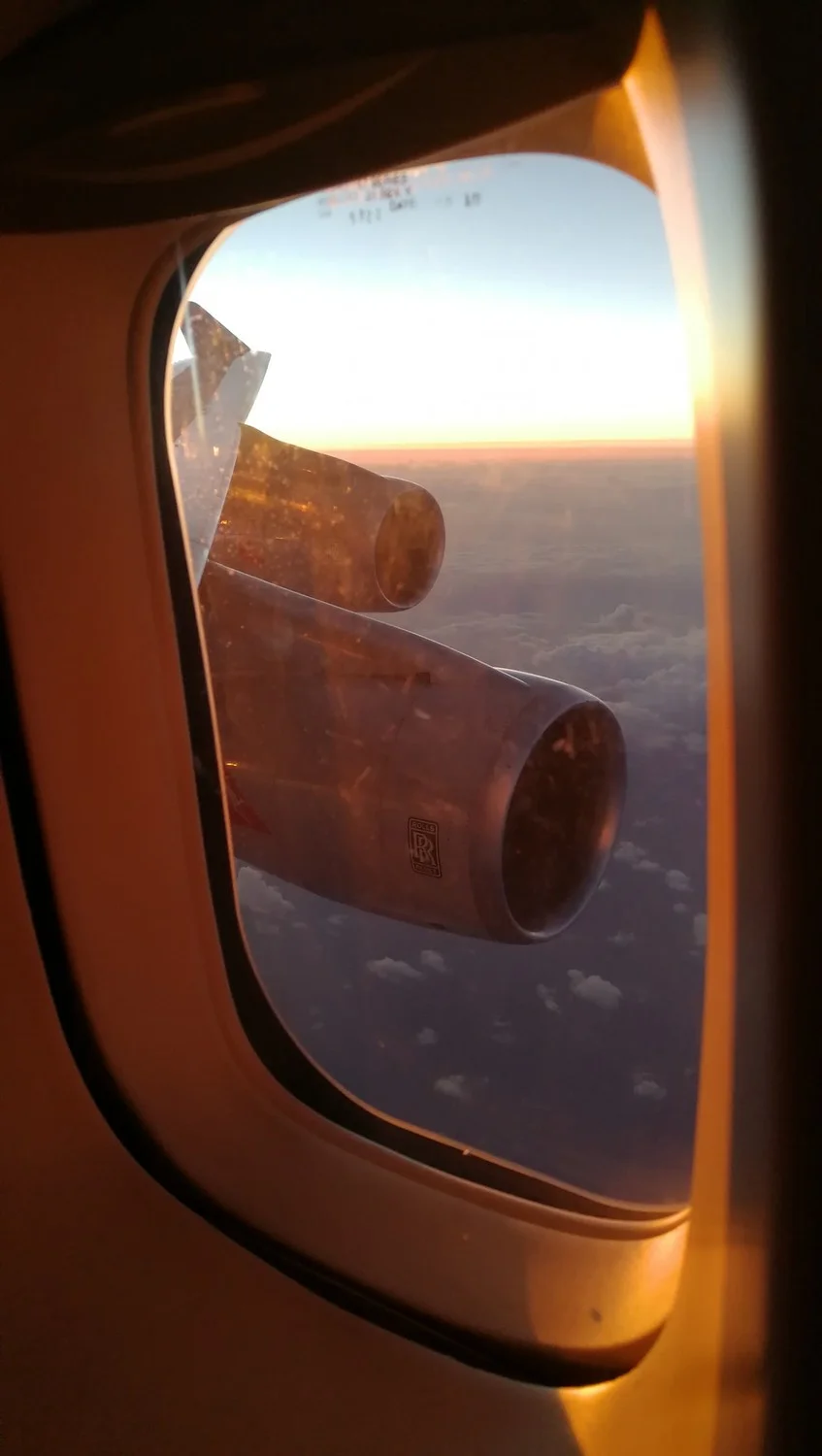
14 hours of blissful unconnectedness (this flight from Australia to SFO had no Wi-Fi, but Qantas is set to get international Wi-Fi in 2021).
It was definitely a bliss part of my trip that I hadn't experienced anywhere else on Earth apart from 3 hours swimming at a pool or beach. Not having to be connected or having any immediate expectation to reply to anything whether explicitly or implicitly. It was definitely a godsend I think we all need to create more time to take that break away from technology submerged environments.
Excluding my child hood what was blissfully half non screen centred activities like Lego and playing outside (soccer, sandpits and bike riding). Although a large amount of it was made up of PC, PS1/2 games and iPods/first phone at 12.
Why You Should Limit Your Technology Use, Now. (original embedded resource unavailable)
More.
Here are some solid tips to avoid information overload:
- Disable badge notifications (those red dots with numbers on app icons) on your phone for all apps.
- Disable push notifications except for important apps; I only left Messenger & Gmail notifications on. Facebook seems to reenable them with each update which is annoying.
- I always have my phone on vibrate mode during the day and I usually switch it to silent mode when I sleep (unless I forget). Sometimes even disabling mobile data/Wi-Fi helps a tonne as well. You can even use airplane mode or turn off your phone, but I like seeing what times my calls and texts come in, so I started leaving airplane mode off a few years ago.
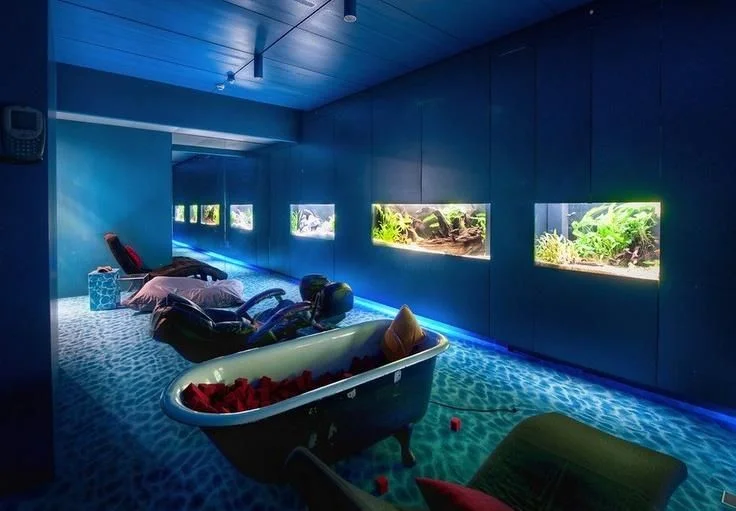
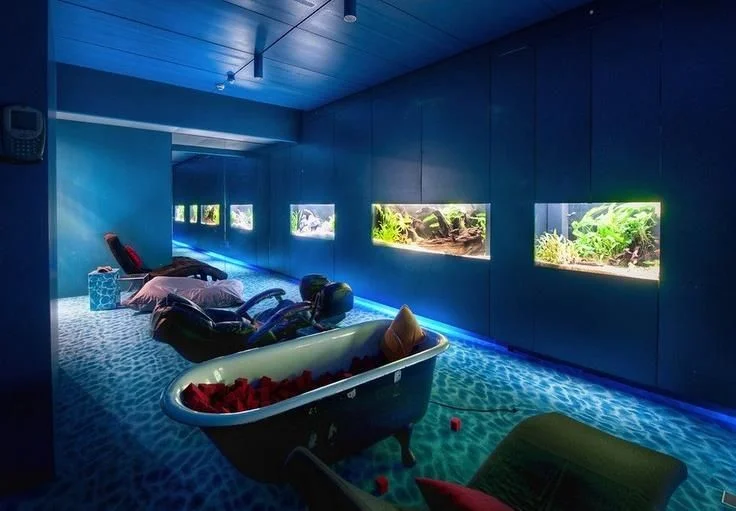
Of course, if you work at Google or Uber, you literally have nap pods galore. This is from Google Zurich's office.
Google realised if they gave their employees 20-30 min of nap time, they could get 10x more out of them and everyone there is loving it. I believe remote work could also achieve similar results by not using precious energy and otherwise extra (sleep) time to commute every day. But you know, apples for oranges.
https://www.businessinsider.com/a-tour-of-googles-sydney-office-2015-10
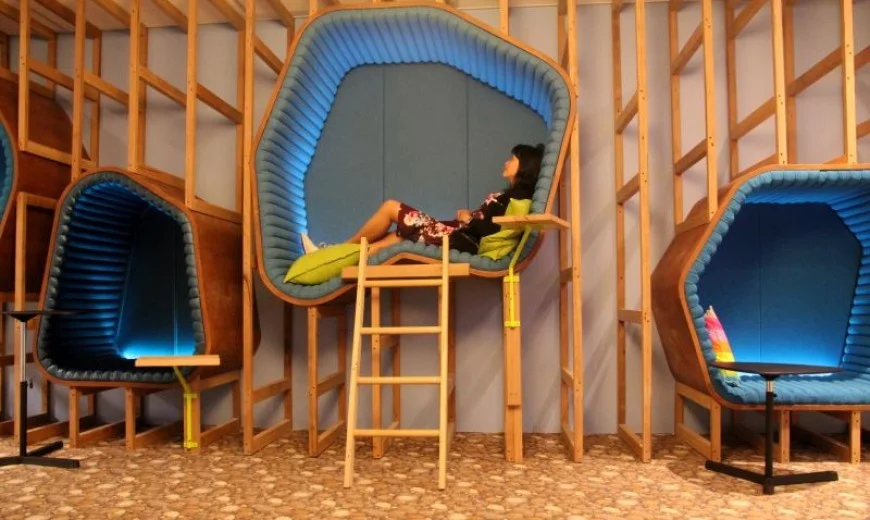
Google's Sydney office - Feeling sluggish with 3pmitis? Yay, get paid to nap, the pinnacle of the workforce... (I've confirmed this with Google employees, they aren't micromanaged whatsoever, they just have to deliver their tasks on time).
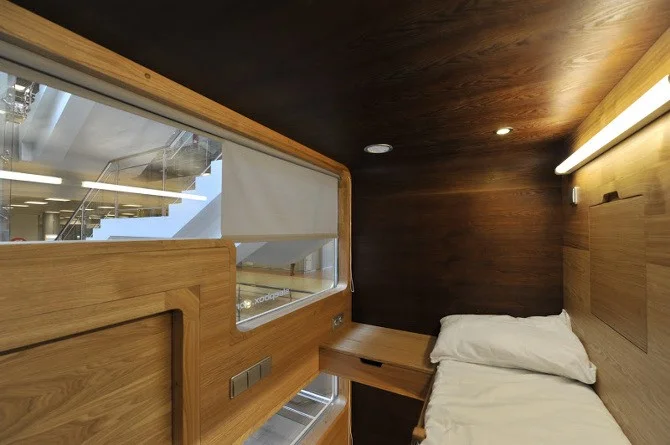
Another office sleep pod somewhere on Earth.
Pedestrian.TV Explores Google's Sydney HQ (original embedded resource unavailable)
Google's Mountain View HQ Tour [blog post]
I discovered this video just on 21 June, and it highlights the need to ensure we step back a bit and look after OURSELVES first, rather than the companies we live to work for.
A lot of employees in Silicon Valley are used to spending 13 hour days in the office mixed with leisure, food and work activities.
- Sleep well and consistently. I use a Fitbit to track my sleep duration and quality. Apparently some truck driving companies now use this to track truck driver fatigue since truck drivers are known to be one of the most overworked jobs with impossible deadlines resulting in terrible crashes.
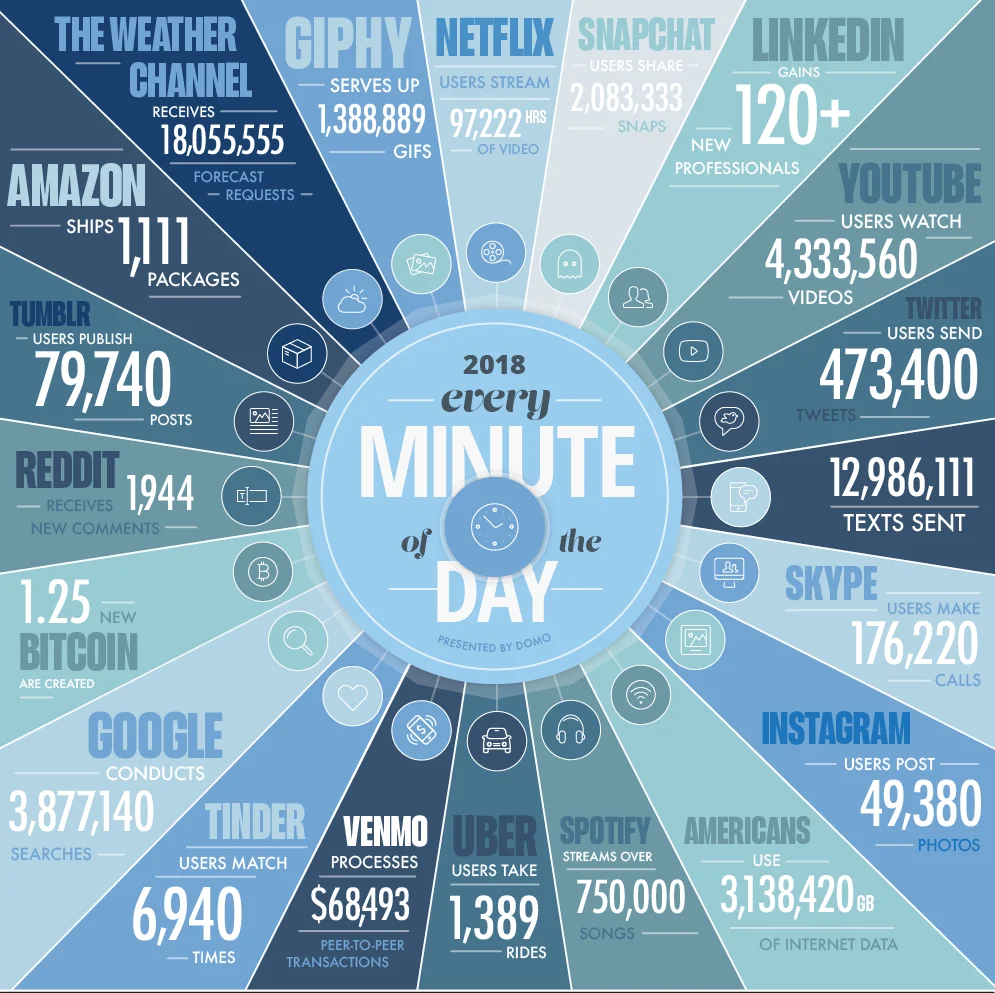
Image credit: https://neilkakkar.com/Dealing-with-information-overload.html
- Sub-point: I find knowing that there's just way too much new content being released each second into the world to consume (there's always tomorrow) helps me just call it quits when I'm tired and to just sleep it off. Our brains require a period of downtime / buffer to fall asleep too. I find having a shower and eating something if hungry is a great buffer against using technology before bed.
- Limit the frequency of checking social media platforms. Maybe just check them twice a day.
- Browser extensions/add-ons to automate repetitive tasks. There's even add-ons that block social media sites for certain times if you need help with that.
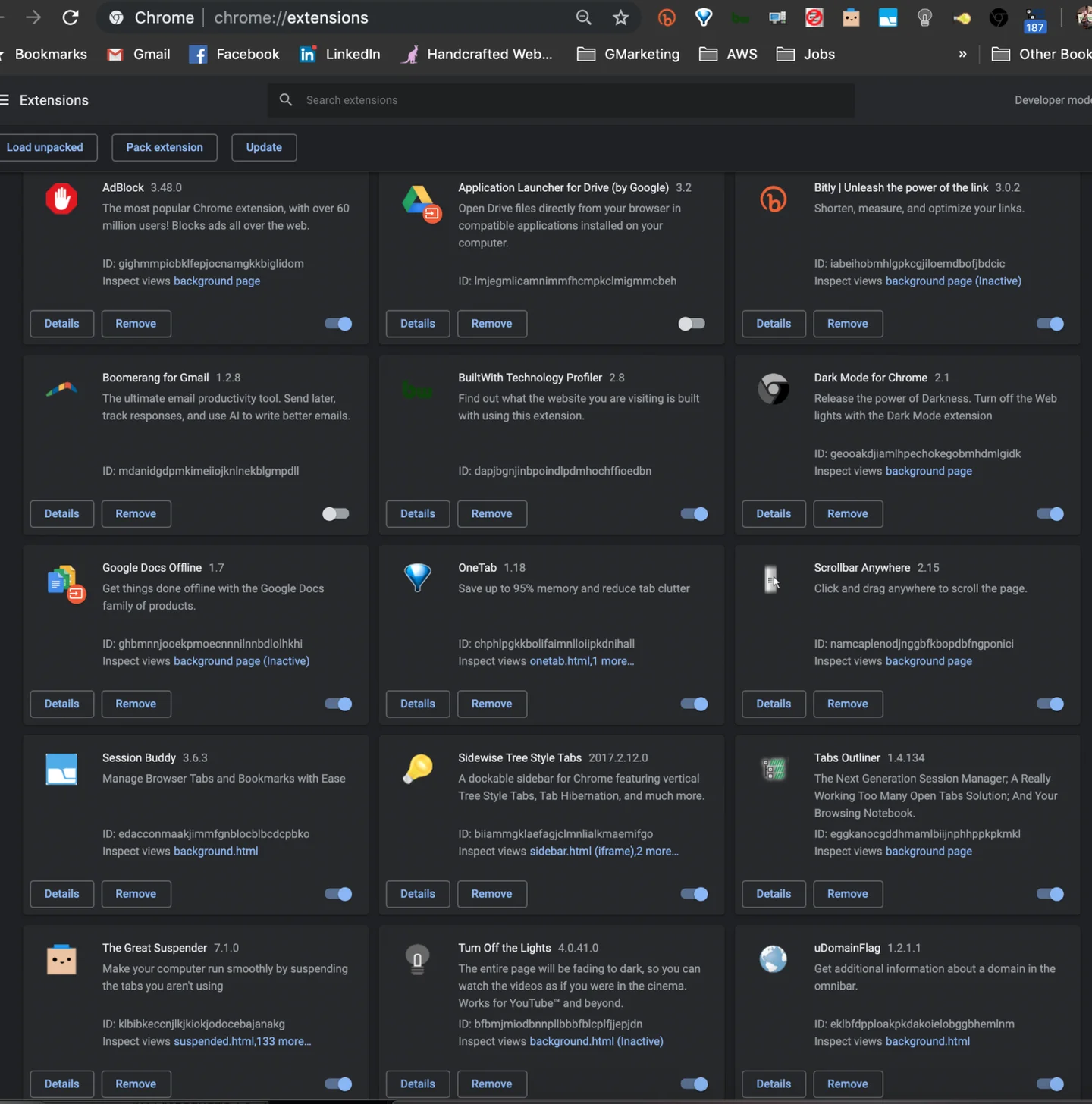
- Bookmarks for common sites.
- Setting daily goals to reasonably limit your scope for the day. I use Mac notes or Evernote. It's backed up to the Cloud. Sometimes I even send notes or important links to myself on Facebook Messenger.
- Hint: messenger.com is a way better site at avoiding the distractions of Facebook if all you need is messaging (there's also web.whatsapp.com, messages.android.com and iMessage app/iCloud for iPhone users). I also bookmark my Facebook, Twitter and LinkedIn pages to my profile page instead of their feed homepages. This way I won't be tempted to read anything new on my screen. (Google Discover, YouTube and Facebook apps are another story).
- Group related tasks together to save time and energy. Set aside 40 minutes for just emailing, and then couple web design tasks together. Then do social media marketing next. Going to the bathroom? Refill your water bottle at the same time and make a tea/coffee.
- I'm constantly listening to my favourite music (progressive house, trance and DnB) to balance out the mental noise of work and propel me forward tenfold.
- Exercising every day. I find Swimming to have the most disconnect with technology. Jogging is great if you're short on time. Tennis and Table Tennis are great too.
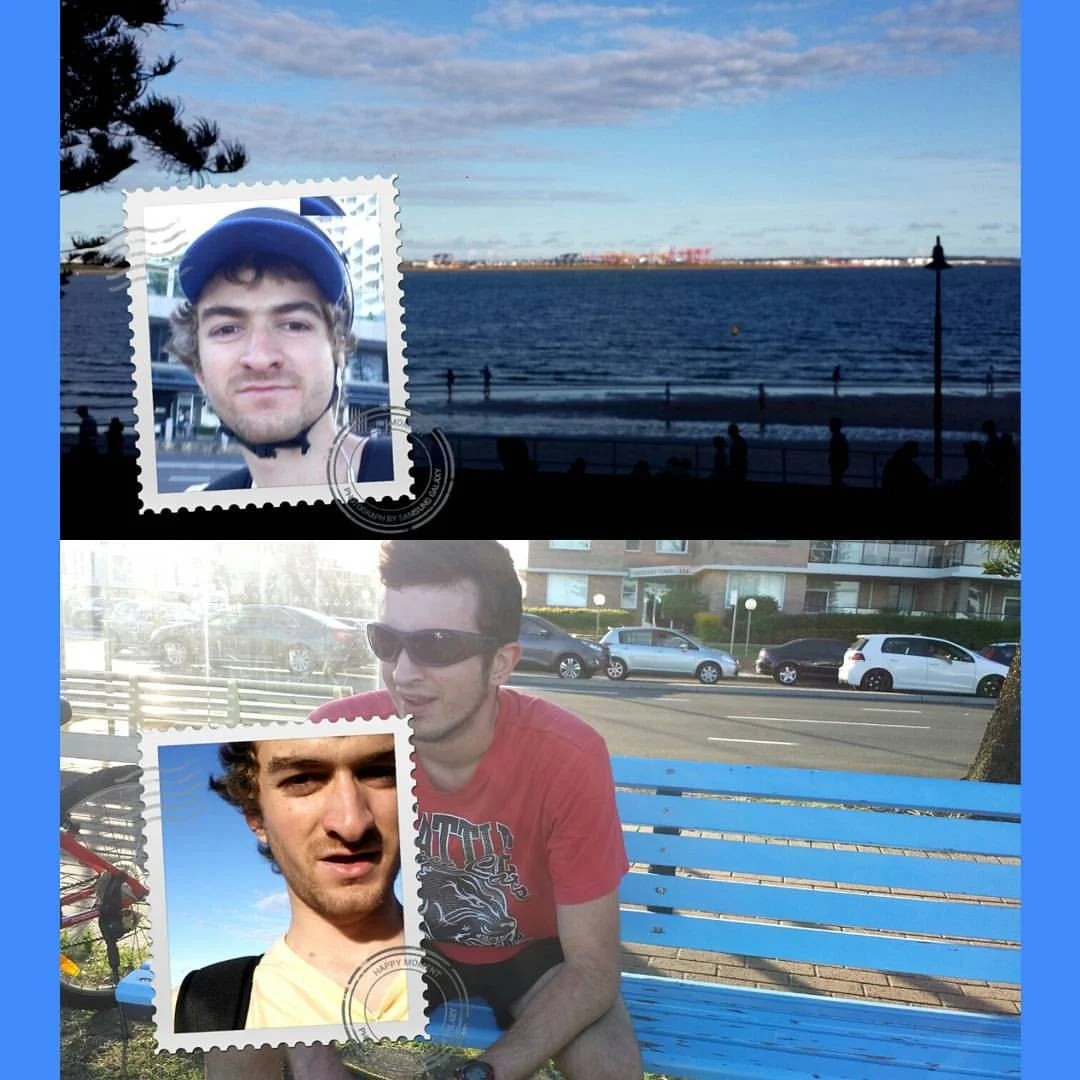

- Just chatting to friends or work colleagues can take the mental load off during the day.
- Giving your body enough buffer to get ready for resting in the evening after coming home from work. Our bodies are like planes, they take time and careful planning to take off and land. I think the recommendation is don't use a screen for at least 1 hour before bed. A steamy shower helps with this as well.
- Selecting extra-curricular activities very carefully like which meetups I attend (there are at least 20 meetups a week, I only pick 1 or 2 if any).
- Be prepared to commit to a blog or YouTube channel before starting one if you choose to. Viewers are demanding and you will get a tonne of comments on YouTube.
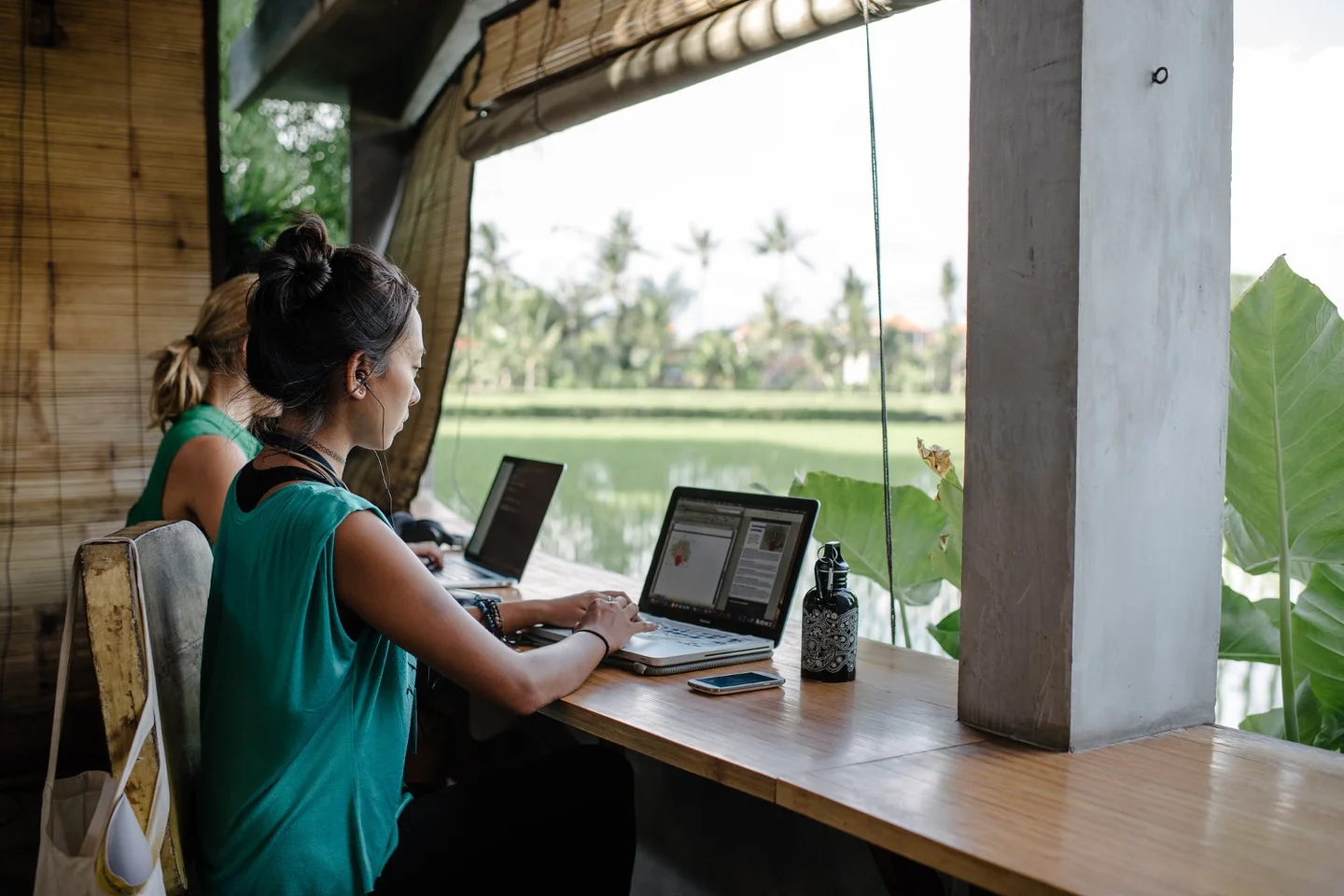
- Changing up your work environment location like co-working spaces, cafes quiet rooms in the office or bringing plants to your desk. Green is set to induce anxiety / stress relief.
- I also find cleaning my room or desk to be immensely therapeutic. It's an offline productive activity which explains a lot. :)
- Go for tea/coffee breaks as needed. I find tea gives me that break and warmth I need to keep productive. ☕
- Travelling to new cities or to conferences/work retreats.

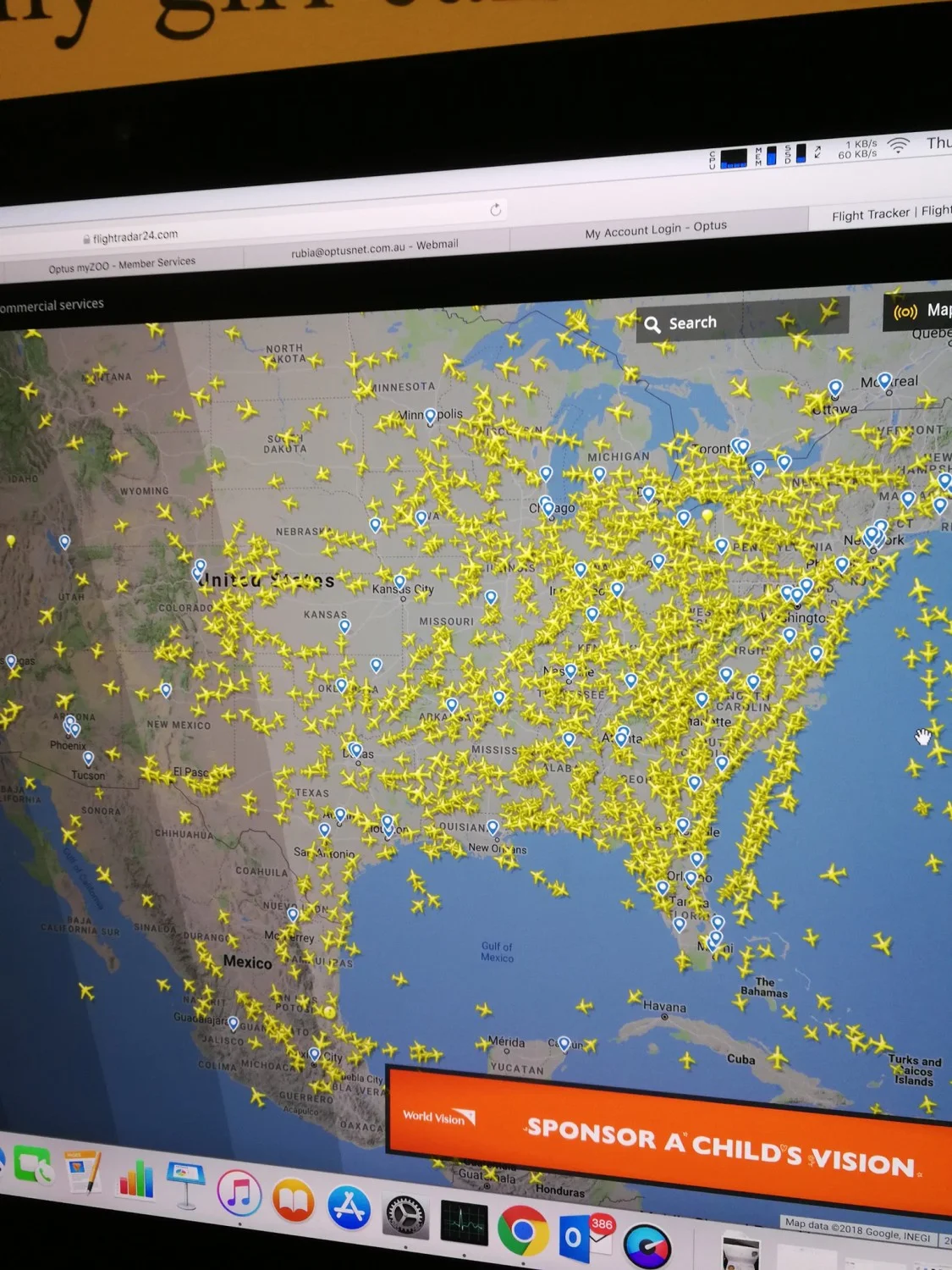
This image gives me a lot of anxiety. Flightradar24.com
- Get direct sunlight / Vitamin D for a few minutes at a time throughout the day, whether it's walking to work or just going outside for some fresh air.
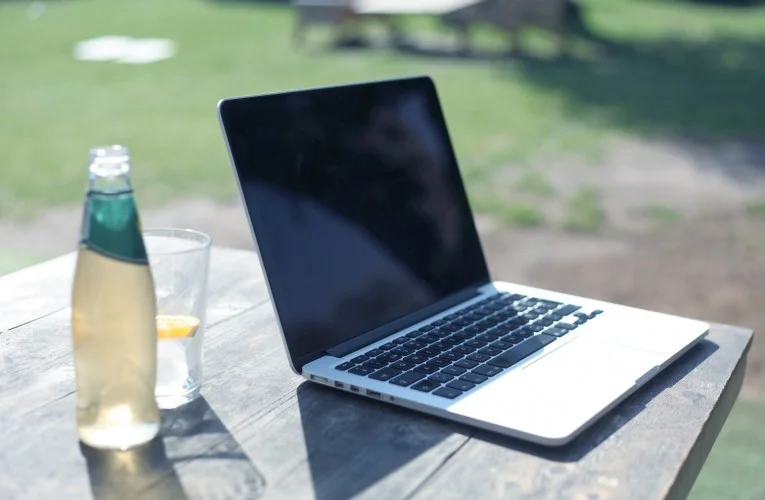
- Having a healthy mix of creative hobbies helps a lot! Mine include photography, attending technology and marketing meetups and watching my favourite TV shows like HBO Silicon Valley and God Friended Me.ateraterfount

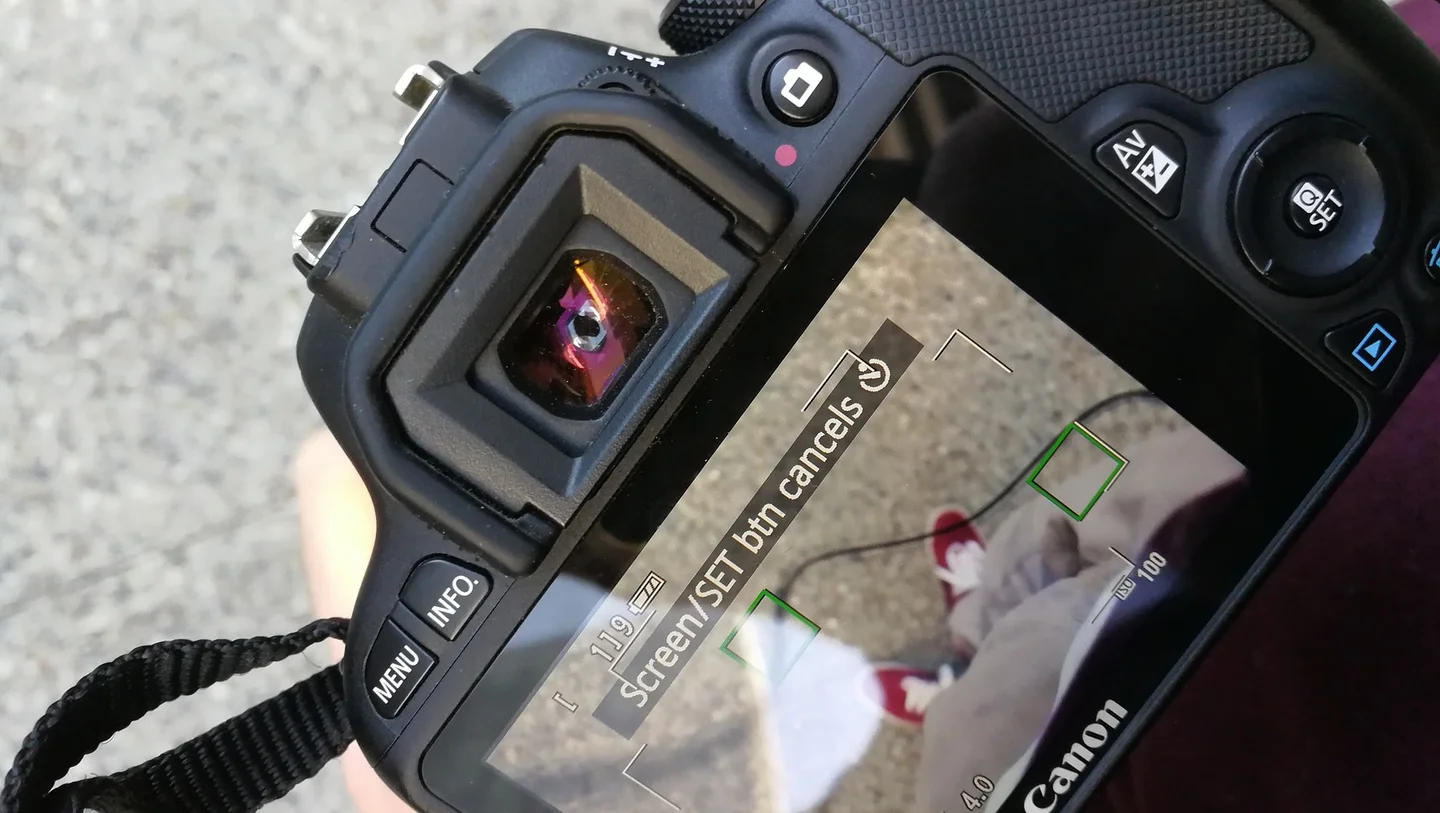
- Pets and plants are great anxiety reducers as well, especially if you're living alone and what to keep something alive.
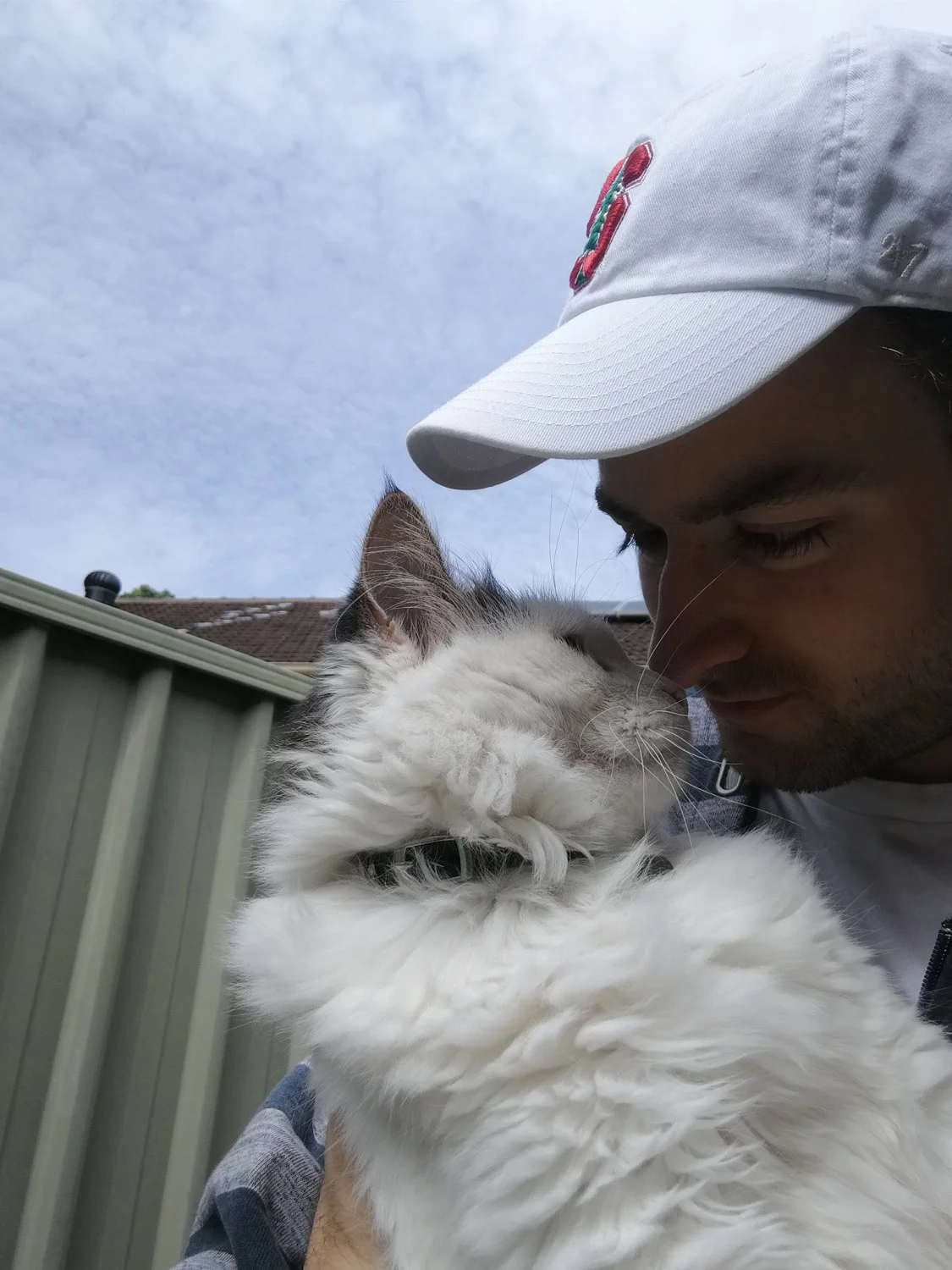
Our 15 year old loyal family cat. Always there when you need or don't need him.
- Attend relevant conferences or meetups to debrief with like-minded colleagues that doesn't involving working in front of a screen.
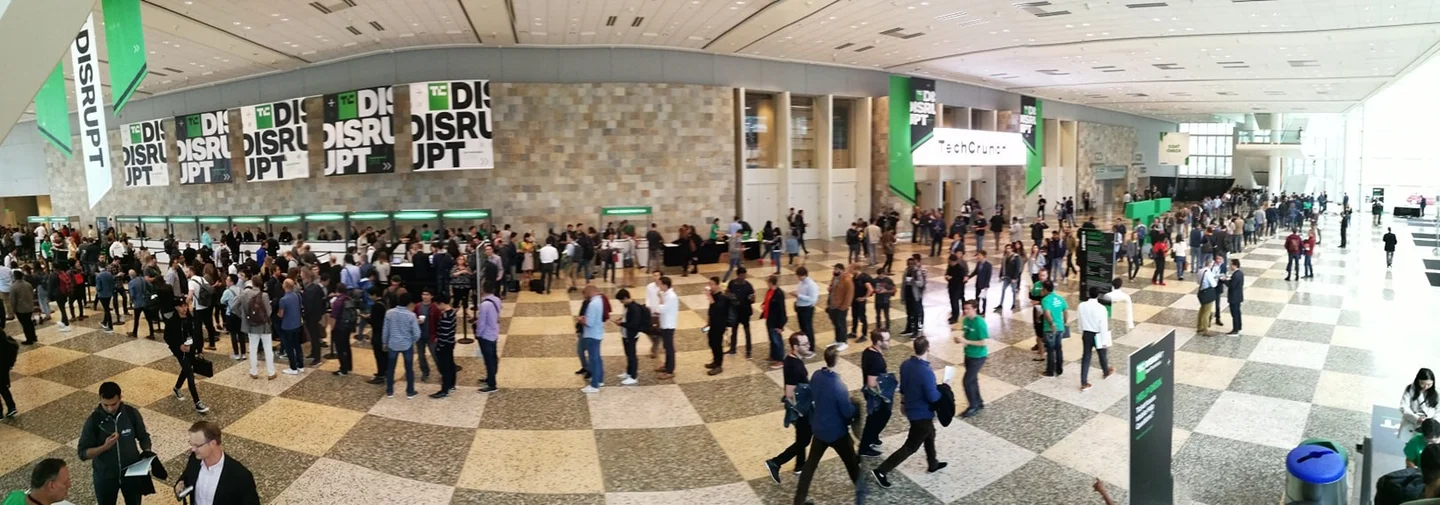
TechCrunch Disrupt 2018 San Francisco - A Conference aimed at Startups
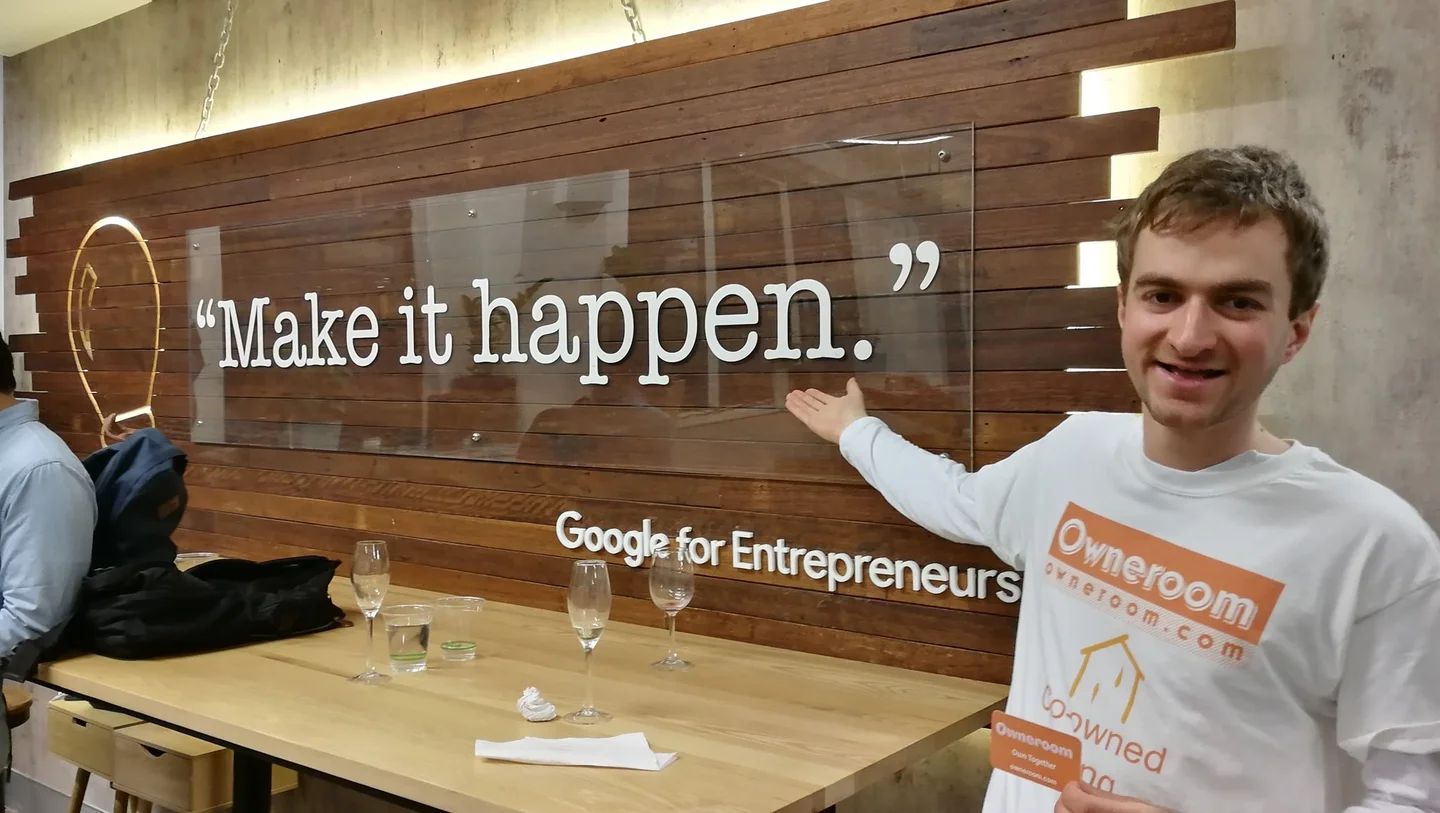
Fishburners offers weekly meetups around startup pitching and networking.
- Get a Data Center hardware job :P
Happy to hear any tips you may have.
Thank you for reading, feel free to chat if you need. Help is always there. If you need additional help, Beyond Blue has an excellent mental health blog.
Stay sane and healthy. :)
#Anxiety #Burnout #MentalHealth #Depression #InformationOverload #JobPerformance #Workload #WorkLifeBalance #Career #Travel
Kind Regards,
Web Designer & Digital Marketer at Siteroo.design
Sydney, Australia
Thanks for reading. About reader stats
View the original discussion on LinkedIn ↗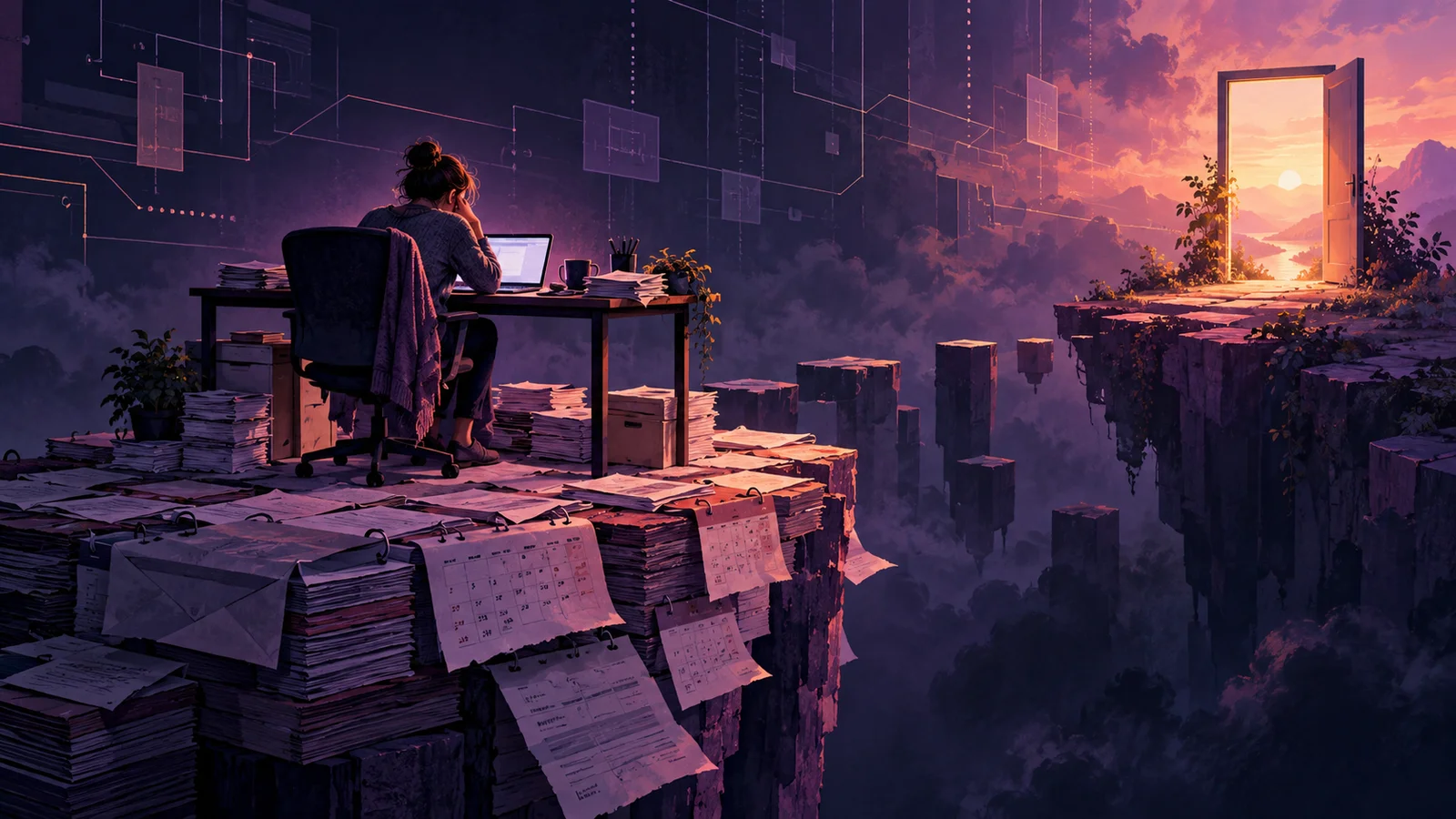

Join the conversation
Comments and reactions use GitHub. Sign in to join in, and keep the discussion thoughtful and respectful.
View discussions on GitHub ↗